
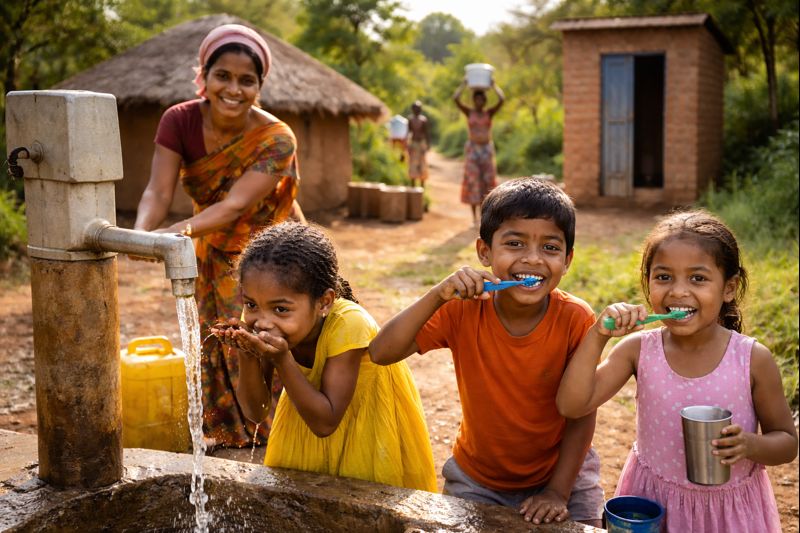
Water, sanitation, and hygiene (WASH) have an important role in promoting public health, particularly in rural communities. Millions of people in rural areas still lack access to safe drinking water, sufficient sanitation facilities, and basic hygiene education. This gap has a direct influence on health, education, productivity, and general quality of life. Strengthening WASH systems is one of the most effective strategies for combating disease, saving lives, and promoting long-term rural development.
What Does WASH Mean?
WASH is an acronym for Water, Sanitation, and Hygiene:
Water: Availability of safe, clean, and reliable drinking water
Sanitation: The proper disposal of human waste through toilets and sewage systems.
Hygiene: Practices such as hand washing with soap, safe food handling, and clean surroundings.
These three components work together to form the basis for good living situations.
The Rural Health Challenge
Rural locations often face unique challenges, including limited infrastructure, poverty, low awareness, and geographic isolation. Many homes rely on dangerous water sources such as open wells, ponds, and rivers. Several regions continue to have open defecation and a lack of toilets. These factors foster an environment in which diseases spread quickly, particularly among youngsters, pregnant women, and the elderly.
According to worldwide health studies, poor WASH conditions cause a substantial proportion of preventable diseases in rural populations.
Preventing Waterborne Diseases.
One of the most significant advantages of WASH is the avoidance of waterborne infections. Contaminated water and poor sanitation cause diseases such as:
- Diarrhea
- Cholera
- Typhoid
- Dysentery
- Hepatitis A
Diarrheal illnesses are the major cause of child mortality in rural communities. Access to clean drinking water and proper sanitation can greatly reduce many diseases, saving lives and lowering healthcare costs.
Improving Child and Maternal Health.
Children are particularly sensitive to poor WASH conditions. Frequent infections can lead to malnutrition, reduced growth, and impaired immunity. Clean water and appropriate hygiene practices, such as soap-based handwashing, help children stay healthy and attend school on a regular basis.
WASH is as important to women, particularly pregnant mothers. A lack of bathrooms and privacy raises the risk of infection and problems during pregnancy. Safe sanitation facilities promote dignity, safety, and maternal health outcomes.
Enhancing Education and Productivity
WASH has a direct impact on educational outcomes and economic output. When children become ill owing to poor cleanliness, they miss school. Similarly, individuals miss work due to illness, which reduces household income.
The presence of clean water and toilets in remote schools encourages students to attend, especially girls. Proper sanitation facilities allow adolescent girls to manage menstruation with dignity, lowering dropout rates.
Healthy communities are more productive, which promotes long-term rural development.
Promoting Hygiene Awareness and Behavioral Change
Infrastructure alone is not sufficient. Hygiene education is an essential component of WASH. Teach rural communities about:
- Handwashing with soap.
- Safe water storage.
- Clean cooking and eating habits
- Waste Management
can significantly prevent the transmission of infection. Simple habits, when adopted regularly, can have a significant impact on public health.
Environmental and Community Benefits
Improved sanitation lowers environmental contamination of soil and water sources. This protects not only human health, but also animals and crops, which are critical to rural livelihoods.
Community-led sanitation projects also encourage ownership and accountability. When villages actively contribute to the maintenance of WASH facilities, the solutions become more sustainable and long-lasting.
WASH and Sustainable Development.
WASH is intimately related to global development goals such as poverty reduction, gender equality, education, and climate resilience. Investing in rural WASH systems saves money while providing significant social and economic benefits.
Governments, NGOs, and local communities must collaborate to ensure:
- Safe drinking water access
- Toilets that are both affordable and clean.
- Continuous hygiene awareness programs
Conclusion
Water, sanitation, and hygiene (WASH) are not luxuries; they are essential human needs. Strong WASH systems are critical in rural communities for disease prevention, child safety, women’s empowerment, and general quality of life. Prioritizing WASH in rural areas allows us to develop healthier, more resilient communities and a sustainable future for future generations.