
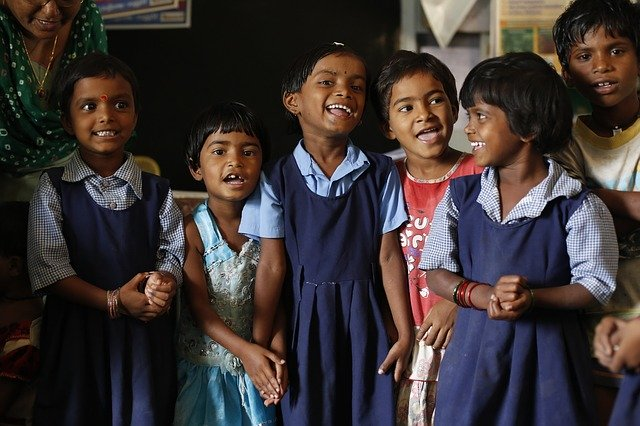
Education is more than just learning from books — it’s the foundation for opportunity, growth, and empowerment. Across India, rural schools are becoming beacons of hope for millions of children who once had limited access to education. With the collective efforts of teachers, NGOs, and local communities, these schools are rewriting the story of India’s future.
The Transformation of Rural Education
For decades, children in India’s villages faced countless challenges — lack of infrastructure, shortage of teachers, long travel distances, and social barriers. But times are changing. Rural schools are no longer just buildings with blackboards; they are vibrant centers of learning that encourage curiosity, creativity, and confidence.
Through government initiatives and NGO-led programs, rural education has evolved from rote learning to skill-based, student-centered teaching. Interactive lessons, digital tools, and hands-on activities are helping children grasp concepts faster and enjoy learning in ways that were once unimaginable.
The Role of NGOs and Community Support
NGOs have played a crucial role in transforming rural education. By building schools, training teachers, and providing learning materials, they ensure that children in remote areas have the same opportunities as those in cities.
At Gramonnati Seva Pratishthan, we focus on creating inclusive and engaging learning environments. Our programs not only provide quality education but also raise awareness among parents about the importance of schooling. When communities are involved, education becomes a shared mission — and that’s when real change happens.
Community participation also helps reduce dropout rates, especially among girls. When parents see the positive impact of education, they become advocates for their children’s learning, ensuring long-term sustainability.
Technology: The Great Equalizer
One of the most powerful drivers of change in rural education is technology. With digital classrooms, tablets, and e-learning resources, even the most remote schools are now connected to a world of knowledge.
Digital learning has opened doors for students to explore subjects like science, math, and coding in interactive ways. Teachers, too, are being trained to use modern tools and teaching methods. This not only enhances learning outcomes but also builds a stronger connection between students and teachers.
Empowering Teachers, Empowering Students
Behind every successful rural school is a dedicated teacher. Training programs and mentorship opportunities have empowered rural educators with modern teaching methods and classroom management skills.
At Gramonnati Seva Pratishthan, we believe that investing in teachers means investing in the future. Our teacher training workshops focus on interactive teaching, emotional intelligence, and leadership — because a motivated teacher can inspire hundreds of young minds.
The Bigger Picture: Education as Empowerment
When children in rural areas receive quality education, it creates a ripple effect. Educated children grow into confident adults who can contribute to their families, communities, and the nation’s development.
- Economic Growth: Education boosts employment and entrepreneurship in rural areas.
- Social Equality: It bridges the gap between urban and rural communities.
- Empowerment: Educated children become agents of change — breaking cycles of poverty and discrimination.
Education isn’t just about reading and writing — it’s about empowering children to dream bigger, think critically, and shape their own destinies.
How You Can Support Rural Education
You can help transform lives through education:
- Donate: Support programs that provide books, uniforms, and digital tools.
- Volunteer: Share your time and skills with children or teachers in rural areas.
- Advocate: Spread awareness about the importance of rural education.
Together, we can ensure that every child — no matter where they are born — has access to quality education and the chance to build a brighter future.
Conclusion
Rural schools are no longer just classrooms — they are catalysts for social transformation. Every child who learns to read, write, and dream represents a stronger, more equitable India. The future belongs to those who are empowered through education, and that journey begins in the heart of rural schools.